Just Like Jack and Rose: A Romantic Date on the Titanic

Taylor Gianotas

“Near, far, wherever you are, there’s no better way to break the ice on a first date than on the deck of Café Jack, a Titanic-themed restaurant in the heart of LA’s Koreatown. Café Jack is the perfect spot to take a new paramour who is nostalgic for late-Victorian era romance and/or has an excellent sense of humor.”

I interviewed Jack Shin, owner of Cafe Jack for The Culture Trip LA! I was touched by his genuine passion for the film Titanic and his commitment to the Koreatown community.

Read the full story here and check out the slideshow below courtesy of Sarah Eisenberg and Taylor Gianotas, my forever partners in crime.

This slideshow requires JavaScript.

How To Breed Fancy Pigeons: A Love Story

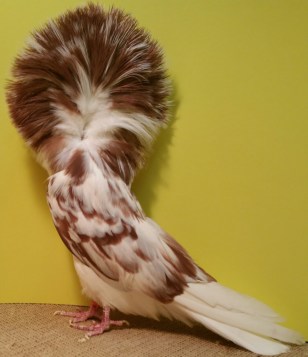
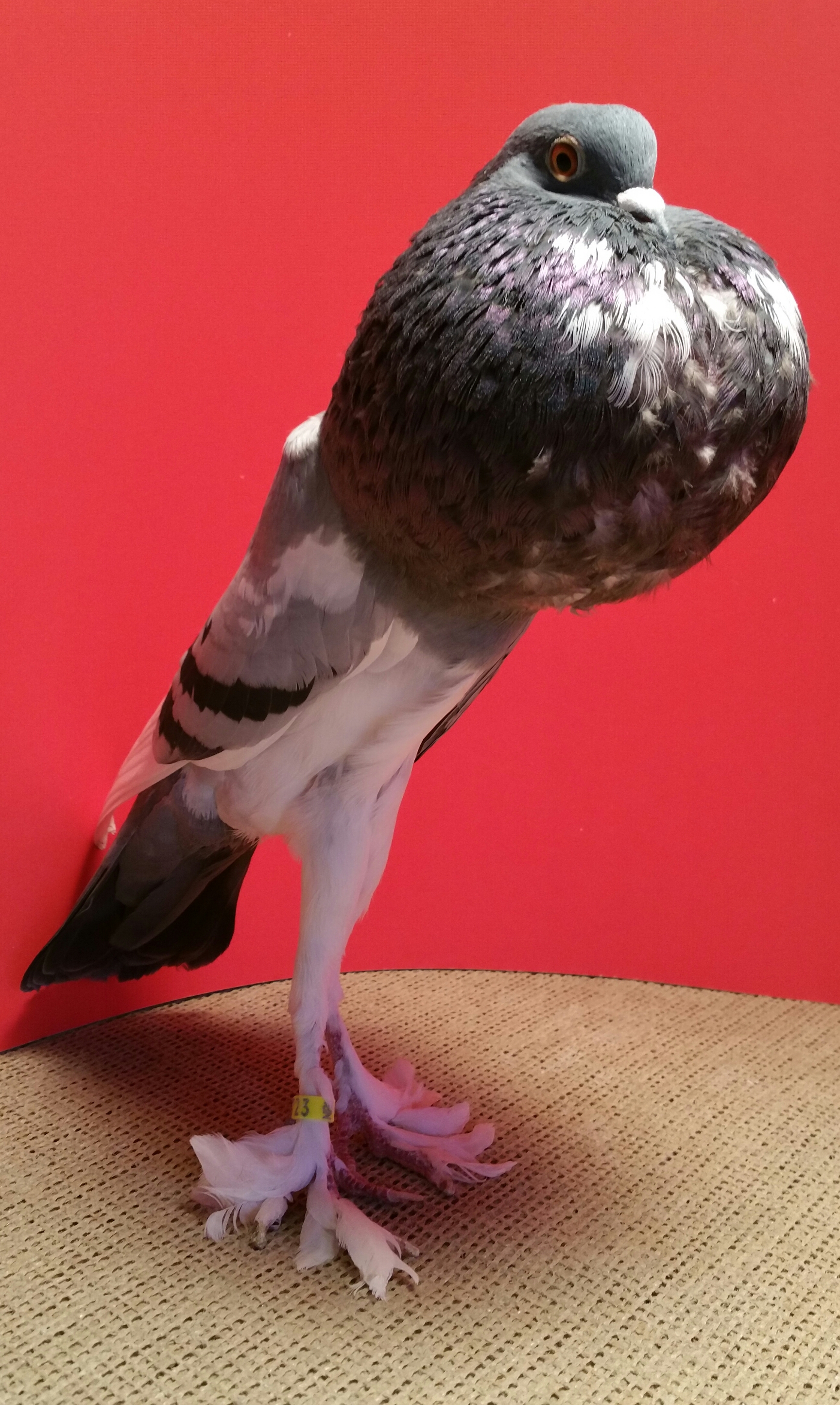
German Beauty Homer

I took my love for pigeons to the next level and wrote a personal essay on How to Breed Fancy Pigeons for The Hairpin!

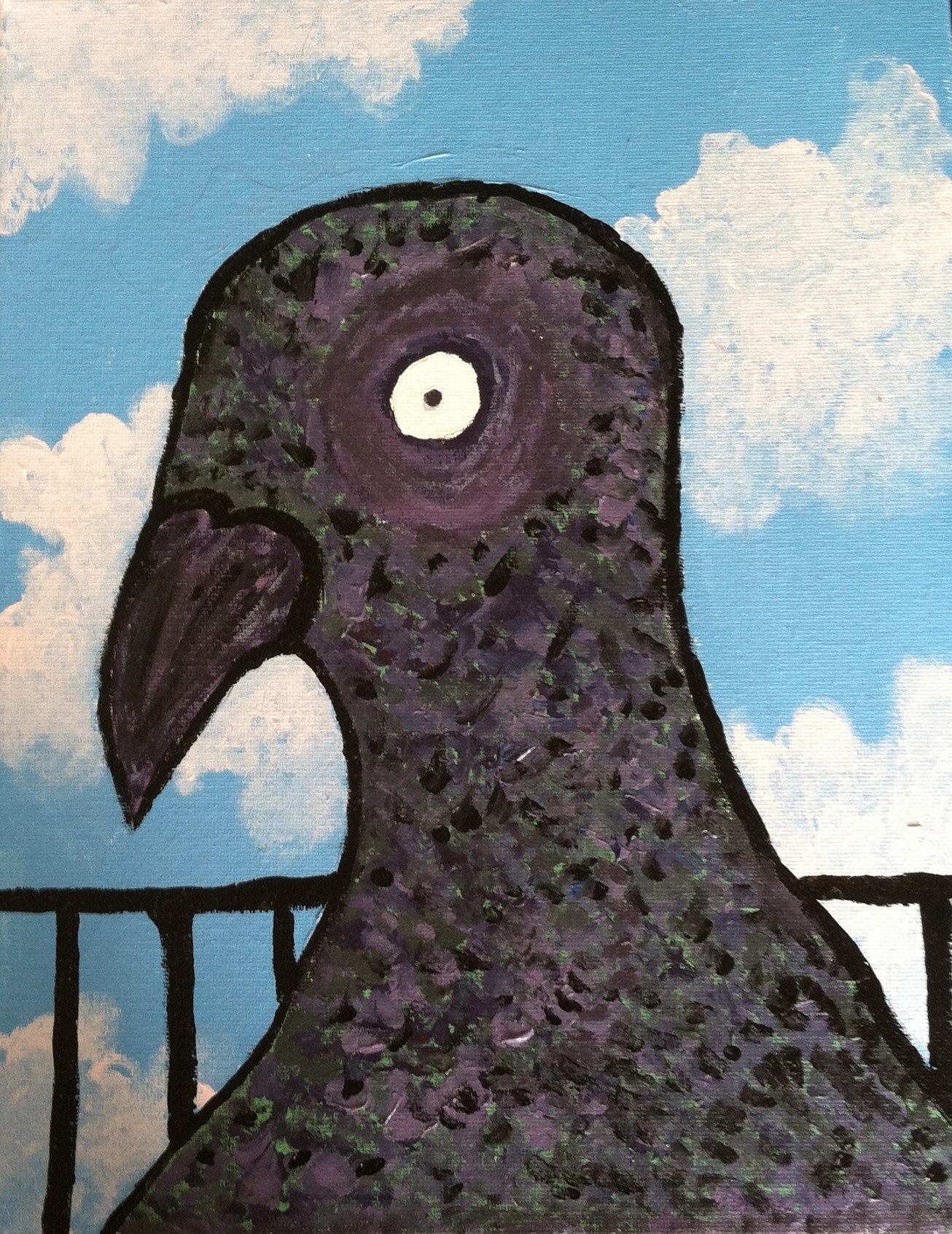
“My pigeon nostalgia took on many whimsical and disturbing forms. I began painting pigeons and writing pigeon poetry. It was what I like to call my “Pigeon Renaissance.” This was a time of great creative flourishing where I painted pigeon masterpieces such as “Pigeon by Day” and “Starry Night Pigeon.” The pigeons were all-consuming. I’d try to drawJacobin Pigeon something else like a bowl of fruit or a self-portrait, but somehow it would still end up looking like a pigeon. Our apartment took on the aesthetic of John Nash’s office at the end of A Beautiful Mind—he too, was fascinated by pigeons. Sam was supportive of (and amused by) these creative endeavors, but also wanted to know what the fuck was going on and encouraged me to meet some new people, maybe join a club?”

Read the full piece on The Hairpin here!

Pouter Pigeon

The Fast and Furrious World of Furry Subculture

How the Furry Community Embraced CollegeHumor’s Furry Force

furryforce

“Patch O’Furr calls it the multi-nerd connections. ‘If it was a venn-diagram, it would be plaid. Because everybody who’s a nerd has a bunch of nerdy interests (laughs),’ said Patch. ‘I’ve always loved every kind of subculture. But I think furries are the truest nerds out there today. You know, nerds back in the day didn’t have billion dollar movies and Hollywood agents coming to their conventions. Furry conventions still don’t have those things. They’re organic and homegrown.”

Writing this piece brought me to tears of laughter several times. What a joy to learn more about Furry culture from Patch O’Furr and CollegeHumor’s very funny Brian Murphy and Adam Conover. Read the full piece on Splitsider here:

How the Furry Community Embraced CollegeHumor’s Furry-Lampooning ‘Furry Force’

To learn more about Patch O’Furr and the Furry Community, check out Patch’s blog:

Dog Patch Press

To Vote Furry Force for the Ursa Major Award:

Ursa Major Awards Voting

Autistic and Queer: Coming Out on the Spectrum

rainbow

Autistic and Queer: Coming Out on the Spectrum 

“You shouldn’t assume that because someone is disabled, they need to be fixed. When we talk about acceptance, we mean acceptance for everybody. Whether they can go to college or not, whether they can work a 9-5 or not. Whether they can communicate orally or not. Whether they ever choose to date or not. Acceptance doesn’t come with qualifications or ifs or buts. Acceptance means radically choosing to believe and to affirm through your actions, that all humans are in fact valuable. That all ways of being human are worthy of respect. Even if you don’t understand them. Especially if you don’t understand them.” A beautiful quote by Lydia Brown, an exceptional disability rights activist. So proud to share this article on Queer Autistics I wrote for AfterEllen.

Autistic and Queer: Coming Out on the Spectrum 

Autism: Does ABA therapy open society’s doors to children, or impose conformity?

 A man reaches out to his son, who has autism, in Portland, Oregon. Photograph: Stephen Voss / Alamy/Alamy

A man reaches out to his son, who has autism, in Portland, Oregon.           Photograph: Stephen Voss / Alamy/Alamy

I’m very excited to share this article on ABA therapy for Autism that I wrote for The Guardian. I hope this piece starts a dialogue about autism that goes beyond the vaccines debate and inspires others to seek out diverse autistic perspectives. You can read the full article here. For more information directly from the Autistic Blogosphere, please explore the following links:

Interview: Genetic Counselor Christina Ikard

Christina IkardThe lovely and brilliant Christina Ikard is a genetic counselor in Boise, Idaho specializing in hereditary cancer and a spectacular friend. She has an exceptional sense of humor in spite of the emotionally challenging situations she is confronted with daily, and an admirable strength of character. Her only downfall is that she won’t let me flay her skin and crawl inside her body so I can pretend to be her, but other than that slight personality quirk, she’s a dream. She very kindly answered my uncomfortable questions over e-mail while balancing a full time job. The baby pictured above is not hers, it’s just a photo I creepily stole from her Facebook profile without her permission. Without further ado, Christina Ikard ladies and gentlemen.

SP: Many people don’t know what a genetic counselor does. How would you describe your work? 

CI: Genetic counselors are healthcare professionals with unique specialized graduate degrees and experience in the areas of both medical genetics and counseling. Genetic counselors work as members of a healthcare team, providing risk assessment, education and support to individuals and families at risk for, or diagnosed with, a variety of inherited conditions. Genetic counselors also interpret genetic testing, provide supportive counseling, and serve as patient advocates.

So that is the technical definition, but I think of my role as someone who interprets family histories of cancer and determines whether or not genetic testing for a hereditary form of cancer is indicated. If it is, I help the patient and the family through the process, making sure to interpret the results for the family so that it is useable information.

Genetic counselors work in almost all the areas of medicine, but I specialize in hereditary cancer.

SP: What is the weirdest thing you’ve ever encountered in your field? 

CI: These hereditary cancer syndromes that I work with are pretty rare, with the most common syndrome occurring in about 1 in 500 people, is higher in some specific populations. I had a family who had two different hereditary cancer syndromes, which was pretty unusual and definitely kept me from never saying never.

SP: What’s your favorite part about your job? 

I love being able to talk to people all day long and being able to provide comfort and education on a daily basis. I always wanted to be in the medical field, but I didn’t want to have to deal with blood or other bodily functions. This way I am able to be in the constantly changing and exciting field of genetics and I am just able to converse with people all day long.

SP: What does a typical day look like for you? Starting with breakfast and ending with sleep. 

CI: I usually get up 30 minutes later than I am always intending to and then I quickly put bread in the toaster and start the coffee maker. Then I rush through getting ready, get myself out the door, and drive to work while eating my breakfast. One of the great things about Boise is no traffic, so I have a less than 5 minute commute to work. I usually start the day at 8 or 8:30 with emails and phone calls and then see the patients that are on my schedule. At the end of the day I catch up on my documentation and phone calls. I usually leave work around 4 or 4:30 and act like I am going to go to the gym, but that only happens about 50% of the time. After the sometimes gym time, I make dinner, eat, watch way too much trashy TV and then go to bed. I try and read for about 5 or 10 minutes before I go to bed or I play candy crush (yes I am still playing that game).

SP: Why did you want to become a genetic counselor? 

I wanted to be in the field of genetics ever since I was in middle school and we started to learn about genetics in school. I was fascinated with families and how we are all connected and why some families have some traits and other families have others.

I then thought I wanted to go to Medical school, but I shadowed a few doctors and realized that they only get maybe 15 minutes with each patient, they have to deal with some crazy bodily functions, and they have to go to school for at least 4 years.

I first heard of genetic counseling when I was in high school and was shadowing a doctor that specializes in genetics, called a geneticist. I loved how they were able to form real relationships with their patients, while still learning about these very interesting genetic disorders and being in the field of genetics. Then, I found out that it was only a master’s degree and I was sold.

SP: Where did you grow up and what was it like? What does your family think about your career choice? 

I grew up in Littleton, Colorado and I was the oldest of 4 children. I think I had a really good childhood overall as my parents always provided us with the strength to go out into the world and accomplish what we wanted. As a testament to that statement, I went to New York City for college, while my siblings went to Seattle, Boston, and Los Angeles. It seems that all of us had a stable foundation to go out and tackle the world, even if it meant leaving home.

My family is pretty close knit, even though we live apart from each other. Obviously genetics and families go hand and hand so I was always curious with different family dynamics and why each family is so unique. I work with families on a daily basis and it never seems that any family is the same.

I think my family is happy with my career choice. It is hard to know what a genetic counselor is until you go through a full session with one so I am not entirely sure if they know exactly what I do, but I know that they are happy to tell others what my title is to other people. I guess I have never really asked them directly to really know how they feel.

SP: What do you think is the future of genetic counseling? 

Pretty soon we will be able to sequence the entire genetic code for each person so I think that our role will be to help other health care providers and patients interpret what each of their individual codes mean for disease and health risk. Eventually we will all be practicing personalized medicine based on a person’s genetic makeup and our job will be to help with this transition.

SP: What is the most controversial issue in your field right now? 

As I practice hereditary cancer, I do not have to deal with it, but genetic counselors in other specialties have to combat the abortion question. Some people view our jobs as wanting to prevent the birth of any child with a genetic disease. I believe it is quite the opposite in that we empower people to have the knowledge regarding the risk for genetic disease in their families and allow them to make their own choices about their families. We provide information about all options and empower patients to make the right choice for them, which is a very powerful thing.

SP: Are there any misconceptions about genetic counseling that you’d like to clear up here? 

There is also the misconception that we have the ability to reach in and “fix bad genes” and/or play god. We do not have the ability to do that and instead we educate people about their genetics and how it may influence their disease risk. We cannot fix these broken genes, but we can help people to better manage their health based on their genetics.

SP: Please describe your soul in whatever terms you deem appropriate. 

I think I am a rather complex person in that I love talking to people all day long, but feel that I am an introvert deep down. There are only a handful of people that I let in fully, but on the outside I am very welcoming and seem like an open book. I don’t know whether that answers this question, but it was the first thing that came to mind so I went with it.

SP: Is there anything sexual (about you or the world at large) that you would like to share? 

If you know me you know that I seem to be the go to person for reproductive health questions. Maybe it was from teaching sex education to public high school students or my counseling vibe, but for some reason that is one of the many hats that I wear. Once again, I don’t know if that answers your question, but that is definitely a true fact about me.

SP: What are you currently reading, watching, doing for fun? 

Currently I am reading “Me Talk Pretty Someday” by David Sedaris, which I absolutely love. I am in a book club for the first time in my life which has been awesome as I never really read for fun when I was in school.

I LOVE trashy television including anything that is reality. I don’t know why I am drawn to this type of TV, but I think I like that I am able to turn off my brain. Also I like watching “real” families on TV, which once again maybe speaks to my fascination with families. I am also watching Orange is the New Black which I love and just finished House of Cards.

I am currently on a soccer team for the first time since high school. Since it is currently winter I have been skiing quite a bit. I also love to hike and have been attempting to get back into running.

SP: Any advice for aspiring genetic counselors? 

My advice would be to try and get as much experience in a counseling or education role as you can. I worked at Planned Parenthood and taught health to high school children, both of which pushed me out of my comfort zone and forced me to talk about uncomfortable topics to a variety of people.

I would also encourage you to reach out to genetic counselors in your area and interview them about their job. I don’t know if you really get the sense of what it is, until you are in the midst of it, but it always helps to see what other genetic counselors are currently doing.

We are definitely in need of genetic counselors everywhere so I encourage everyone with a passion for genetics and families to look into this field.

My Dog’s “Taste” in Books, Movies and Music

We rescued a genius named Jordy from Ken Mar Dog Rescue. He was not in great shape as you can see from his mug shot below, but today we can now say that he is a happy, healthy young pup who enjoys pizzles, kongs that look like butt plugs and humping other dogs faces. He really is a miracle and we share loving moments every day when he’s not busy destroying everything in the apartment and screaming over the sound of the T.V. The truth is that he engages in these activities to disguise his brilliance and the unwanted public attention that would accompany it’s full expression.

                 10590484_10103111472705559_5286345494196095458_n            10489860_10103047934037559_6467488865204118117_n

His genius has advanced to a degree that he can now communicate his entertainment preferences to us. I have no doubt that he’ll be talking soon and reviewing for the New York Times. He is truly a connoisseur of eclectic taste and a trend setter for defining culture.

BOOKS

IMG_1880IMG_1878

MUSIC

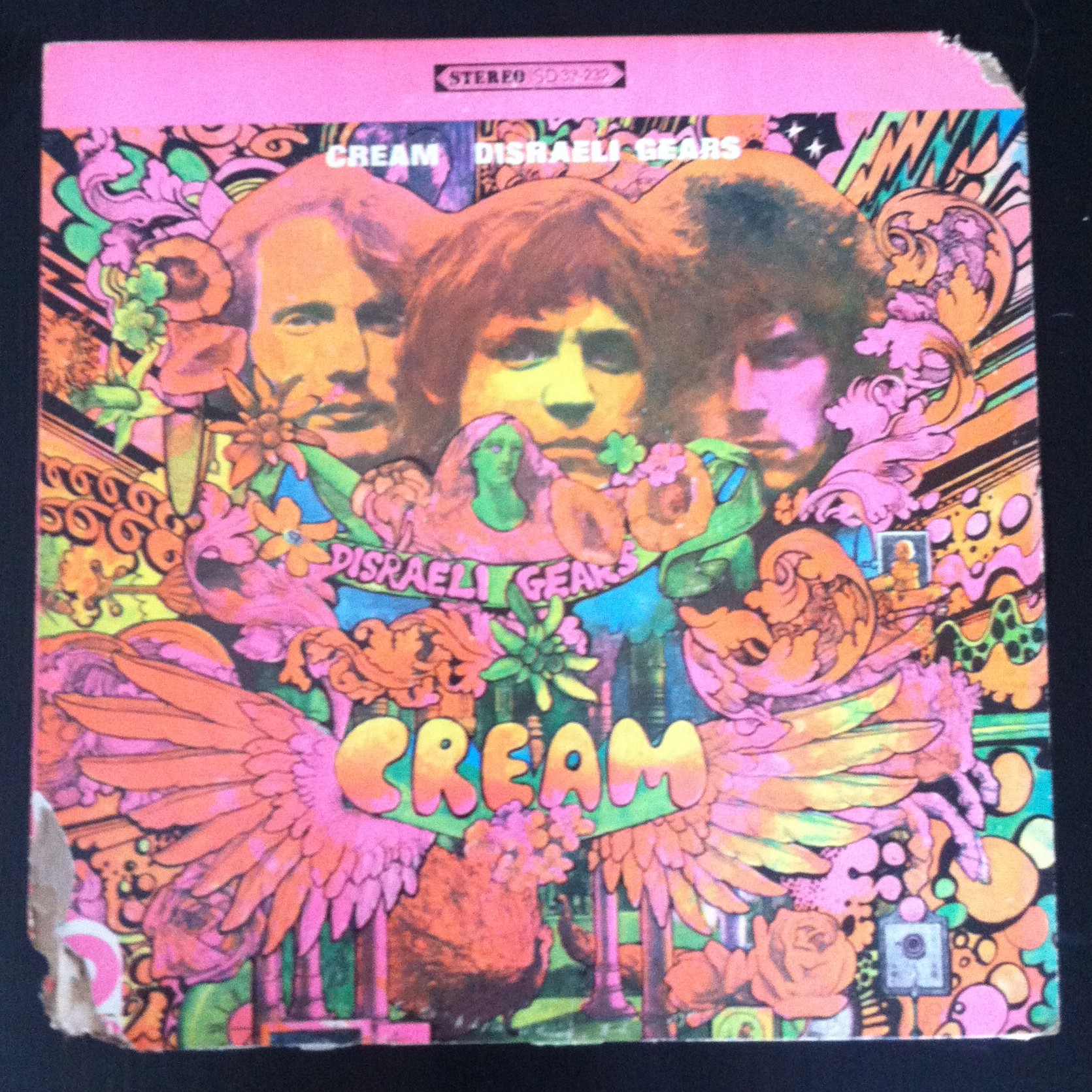
IMG_1890IMG_1887

MOVIES

IMG_1877
IMG_1886
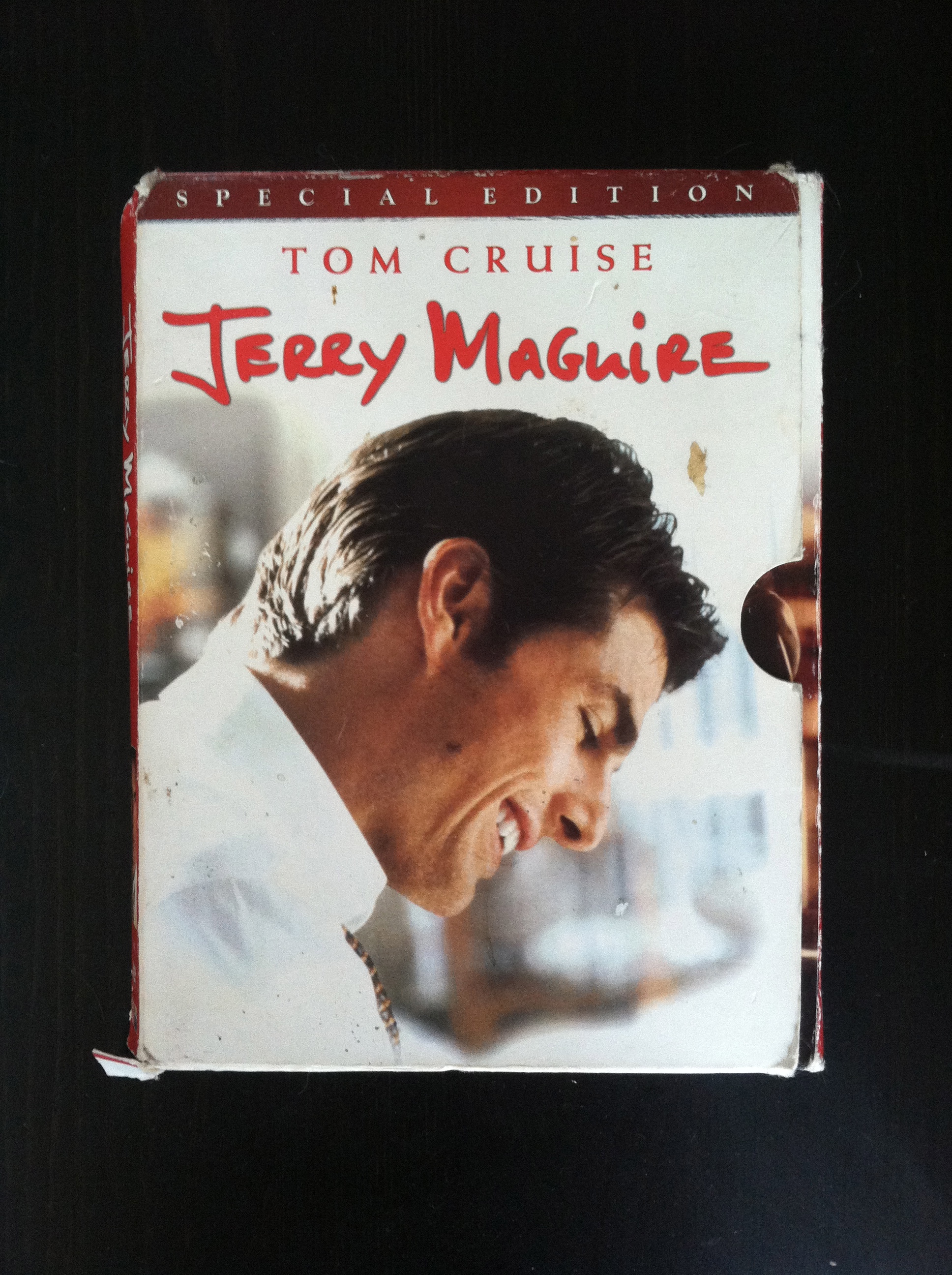
IMG_1882

Interview: Comedian John Lutz

Interview With John Lutz
December 6, 2008

John Lutz

I had the good fortune to intern at Saturday Night Live during the 2008 Obama/Biden vs. McCain/Palin election season. As a young journalism student, I very nervously asked hilarious writer and actor John Lutz if I could interview him for class and he very graciously granted me this interview an hour before dress rehearsal. He wrote sketches for seven seasons on “Saturday Night Live” and was also a writer and cast member on “30 Rock.” He currently writes for the NBC late-night talk show Late Night with Seth Meyers.

SP: What is your favorite part of writing for SNL?

JL: I think my favorite part of writing for SNL is that you can write whatever you want to write. By that I mean that on Tuesday you have the freedom to write whatever you want. Your scenes live or die by what you’ve decided to write. So if it’s funny and it works, you get to do your idea, if it fails, its still your idea. So you still can be proud of it. Even though it didn’t work, you’re like, “well I thought it was funny, I tried my best, didn’t work.” They don’t do a lot of assignments where they go, “you gotta go write that thing.” It’s pretty much whatever inspires you you can write. And I think that’s why you get such a variety of different people’s voices when they write stuff, because they’re allowed write whatever they think is funny. And I think that is a freedom that I don’t think many other writing jobs have. You know, if you’re writing for a sitcom, you have to write for the characters that are in the sitcom, or the story-lines that you’re breaking. I think it’s one of the only places where on Tuesday you can not have an idea, and then at seven on Saturday, come up with something, write it up and have it maybe make it to the show. Which I’ve had happened before. Where it’s like I don’t have anything, and at seven o’clock, I’m like oh, this is funny, and just write it up and be totally loopy and goofy and then that made it to the show. So, that I think is the coolest thing.

SP: Is that scary when you’re not sure? Do you just trust you’re always going to be able to come up with something?

JL: Umm…yeah…most times. Sometimes there are just weeks where you are just blank and you don’t have anything. But I’ve never had a week where I haven’t had something that I’ve written. So it comes to you, but it’s like…sometimes it’s at seven…

SP: Yeah. (Laughs).

JL: When you have to turn it in in three hours. And sometimes it’s two weeks before, or even over the summer, or you have an idea and you’re like oh, I know this person is hosting in two months, that will be perfect for that person. But…it comes…you know eventually. (Laughs)

SP: Yeah…with time.

JL: Yeah.

SP: How do you think SNL may have influenced the last election?

JL: Um…I don’t know. I know that it probably did because I know that a lot of people, or at least younger people get their news from either Weekend Update, or the political stuff that’s on the show here, or the Daily Show or Colbert. That’s where they get their news or information. So I think sometimes people watching see that stuff and it’s like, “Oh, there’s Sarah Palin being stupid. Oh, she must really be stupid.” So I think it might have a little bit. But none of that would have happened if Sarah Palin, or Joe Biden, or Obama or McCain hadn’t done those things in the first place. So it’s kind of like, did we really affect it? Or are we just showing what’s already happening and satirizing that? So you never…you know…I don’t know…

SP: Right.

JL: Is my answer…(Laughs)

SP: Yeah.

JL: I guess. But I think it’s just we’re so much part of that lately. In the last few elections I feel like it’s just..we’re a part of it…but then again…when Bush…when Will Ferrel was playing Bush, Bush still got elected. Even though he was portraying him as being a kinda..a little bit of a…”Dumb Dumb”….but it was all stuff Bush was doing anyway. So it’s like people are aware of it enough…and then they see it on T.V.. So maybe? I don’t know…I’m kind of rambling now (Laughs).

SP: No, no, it’s good.

JL: (Laughs).

SP: Do you feel a sense of responsibility to make any kind of statement with what you write? Or are you purely going for the funny? Or is it a mixture of both?

JL: For me…it’s always funny first and then it’s also picking something that’s actually happened to satirize. I know that especially on this show, we try to make sure that we are not partisan at all so that…if we’re making fun…a perfect example in my opinion is the Vice Presidential debate. We hit Biden as much as we hit Palin I think…like there were good jokes on both sides because we try to balance it out. And I think that when you write political comedy you should try to do that because it’s very easy to skew toward your point of view but I think it’s always better when you try to hit both sides. Sometimes it’s hard because the stories lend themselves to making fun of somebody. Like Sarah Palin with that interview with Katie Couric. You’re not going to be able to balance it out by making fun of Obama’s campaign in that sketch…but then you try to do it…

SP: In another one.

JL: In another way. Yeah. So I think it’s important to try and hit both sides…that way you have…that gives you as a writer, a perspective on what your doing. You’re attacking what’s happening out there rather than attacking the Democrats or the Republicans or whatever. You know? And sometimes, you know…I feel like…at least when I was writing at Second City…it’s what’s in the news, you make fun of what’s in the news. And if it’s Democrat or Republican, it doesn’t matter, you make fun of it, if it’s something that’s funny, its out there to make fun of. Does that make sense?

SP: Yeah, yeah, yeah. Definitely. And then I was wondering about the Paul Rudd episode. There was a lot of criticism saying that it was kind of like a “gay minstrel show”…or..uh…what do you think about that?

JL: I think it’s…I think it’s just that those were a lot of the scenes that were picked that week. (Laughs).

SP: Uh huh. (Laughs).

JL: It wasn’t like our…I don’t think we were all like, ‘Whoo! Now the political stuff is done, let’s go! Let’s do the gay gross out humor! You know, i don’t think that’s what happened, I think thats just…that the scenes that got picked there were some like…you know…some people being shot in them…and then you know also gay…gay themes stuff. And I think also just because the Prop 8 thing was out there, so I think it was out there a little bit. Um..But I know that I didn’t…even in that scene with Beyonce…with the guys dressed in drag kind of…that was never meant to be…in my opinion, they were never gay. It was just those guys’ son’s wanted to be in this video so he put them in these outfits.

SP: Leotards.

JL: Yeah. It was just this is what the video is going to be so we’re going to put them in those outfits. So I never pictured them as being gay…but then they’re surrounded by a bunch of other things that have gay themes. So it’s like oh another scene where guys are in drag..so uh…so…and this show…like somebody was saying in the dressing room, there is our…there’s a lot of potty humor in this episode…I guess this is the potty humor show. And it’s like…I just I think it just happens that sometimes…that’s what everybody…

SP: Well..you all spend so much time together.

JL: (Laughs). Yeah.

SP: In the same space.

JL: Yeah. So I think that it’s just out there. There were three scenes in the read-through that had big fart sound cues.

SP: (Laughs).

JL: And two of those things are going to be in dress rehearsal. But that doesn’t always happen. I think it’s just all of the sudden…I’ve had it where there are three scenes with unicorns in them for no reason. And no one has talked about it. But in the read-through it’s like why is there a unicorn? A unicorn is in my scene and that’s the real big joke of it? So it just weirdly happens sometimes.

SP: Collective unconscious?

JL: Yeah.

SP: Mmhmm.

JL: Anything else?

SP:  I guess my last question would be…when you uh…did you ever think you’d make it to SNL? Did you know that you’d get this far?

JL: No, I didn’t. Well, when I was a kid I always wanted to be on the show and then I started doing improv and acting in college and then I moved and did improv at Second City in Chicago. And my goal originally when I first started was to be on SNL. And then I started doing improv and sketch comedy in Chicago and then that goal kind of went away because I was like, they don’t need another thirty something white guy on the show. They’ve already got so many of those people, so I just put it out of my mind while I was touring…and I was like, I’ll never get to that show and then definitely never thought I would be a writer. I have no idea…sometimes I don’t know why I’m a writer on the show. But I…you know…It just so happened that they saw me do improv in Chicago and then asked if I had a writing package and I was writing in Second City and doing my own sketch show so I did and I turned it in and now I’m here. And sometimes I still walk through the halls and I’m amazed that I’m…it’s like crazy that I’m here.

SP: It must be wild.

JL: It is. It’s nuts. Because It’s SNL.

SP: Yeah.

JL: And I’m writing for the show.

SP: Yeah.

JL: Yeah. And then you walk past a picture of Chevy Chase and Bill Murray and all those guys…and you’re like what am I doing here? This is crazy. And like any job you get mad sometimes, you get tired sometimes, and then you’ll just walk past somebody wearing a giant robot outfit and you’re like oh, this is crazy I’m here, why am I in a bad mood?

SP: (Laughs) Right. I remember Will Forte was downstairs one time and he was dressed as a giant phone, and this little kid comes up to him and says, “you look silly!” And Will says, “This is my job.”

JL: Yeah, I know. It’s crazy. I was just dressed up as an Indian for a photo shoot about half an hour ago. I was like this is what..I get to go put makeup on and a wig, dress up, get my picture taken and then get back into this and go back up to my office (Laughs). And then you know in forty-five minutes go rehearse a scene that Tucker and I wrote for John Malkovich. It’s crazy.

SP: That’s unbelievable.

JL: Yeah.

SP: Yeah.

JL: It’s pretty good.

SP: That’s really cool.

JL: Yeah.

SP: Alright, well, thank you so much.

JL: You’re welcome, I hope it was helpful at all.

SP: Oh, definitely.

Pigeon by Day

Pigeon by Day

by Sydney Parker

“The Passenger Pigeon, therefore, should not be remembered only as a tragic victim of human thoughtlessness and greed. In fact, it should be admired as a species that over millennia had evolved, to an exceptional degree, an anatomy conducive to a life on the wing; indeed, it was a magnificent flying machine.”

– “The Passenger Pigeon” by Errol Fuller